

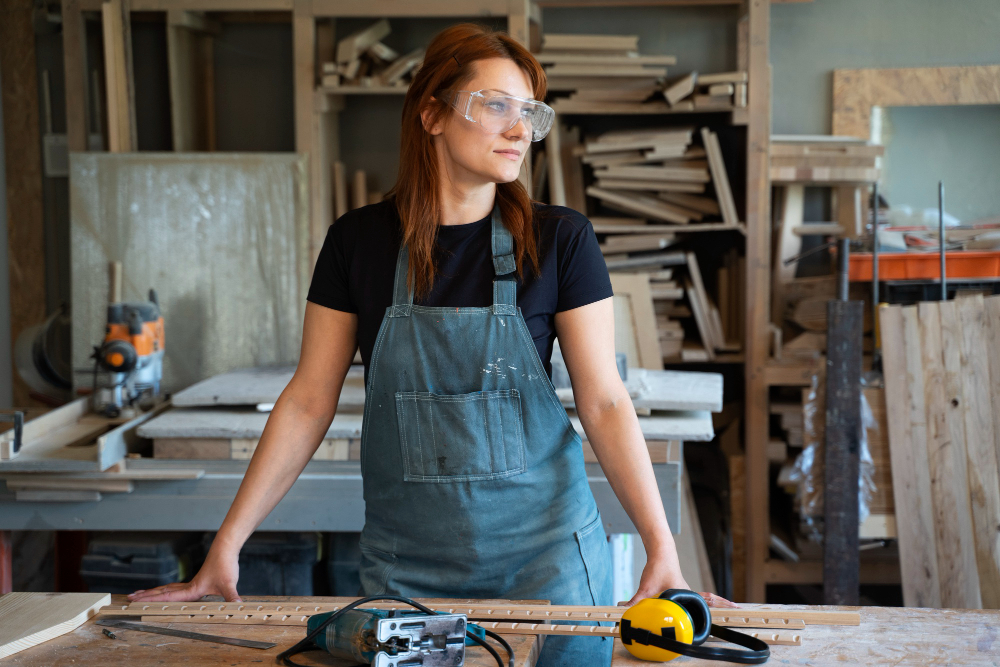
The WhatsApp message with the photo came on a grey afternoon—a Monocle magazine article he thought I’d like. I was standing by the window, half-reading, half-daydreaming, when I saw it: a yellow highlight across a paragraph about a woman named Ricarda Rehwaldt, a psychology professor and happiness-at-work researcher who, before her academic career, trained as a carpenter.
In craft, you do something that people need.
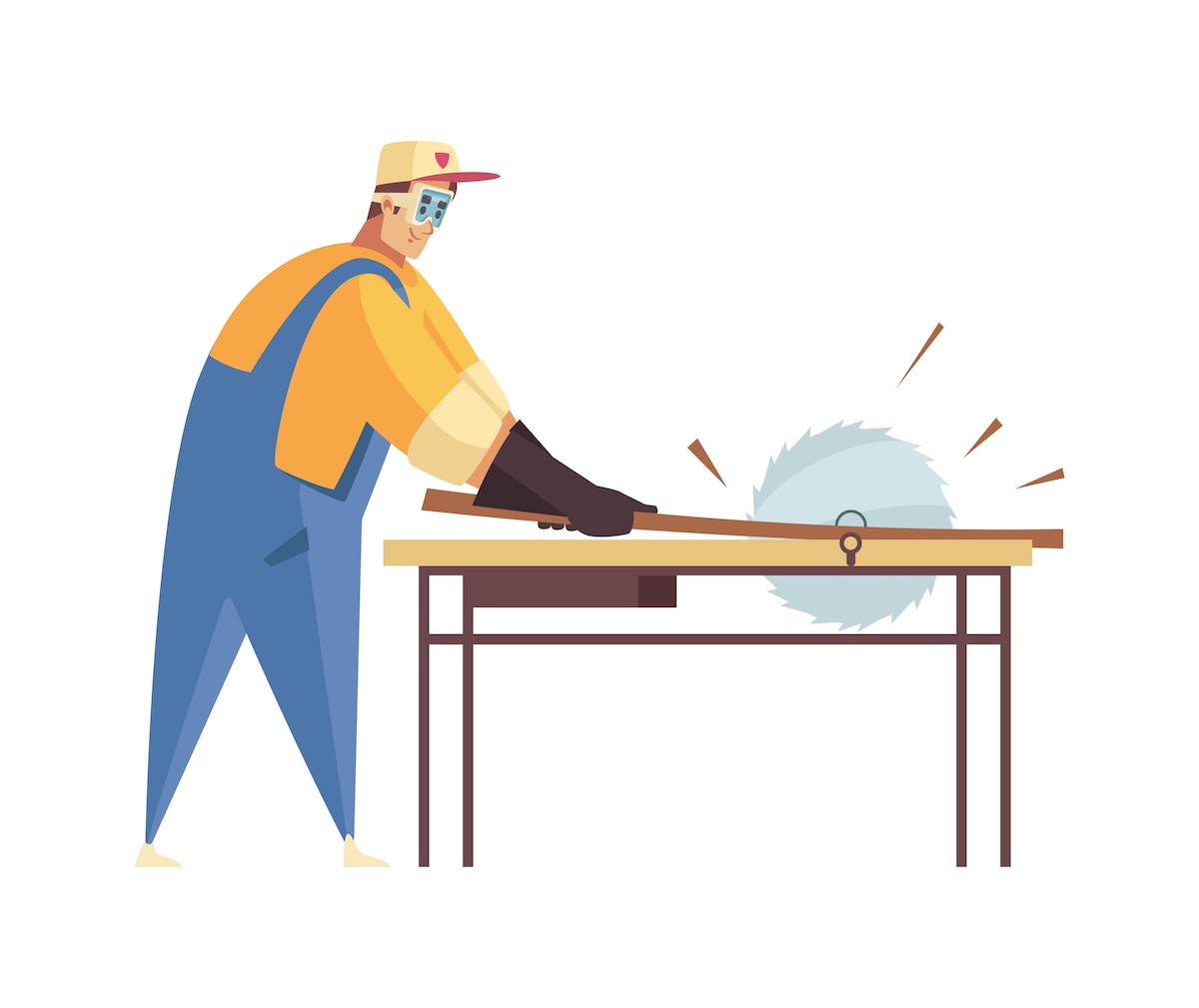
“In craft, you do something that people need.”—she said. “In the workshop, you’re not distracted by constant pinging or notifications. Standing at the circular saw for an hour can be quite meditative too.“
I stopped there ’cause that was it. Everything I’ve been circling around lately, all the inner noise, the longing for quiet, the need for something real, was right there in those few sentences.
From Kafkaesque clicks to the smell of wood
Rehwaldt says that digital knowledge work, with its endless meetings, Jira tickets, project management tools and Slack pings, often feels Kafkaesque.
I don’t think I’ve ever read a better word for it.
Kafkaesque…
You move invisible things around invisible boards, while the real world keeps passing you by. You finish your day, close your laptop, and realize there’s nothing you can touch that proves you were even there, let alone that you produced something
That feeling eats at me!
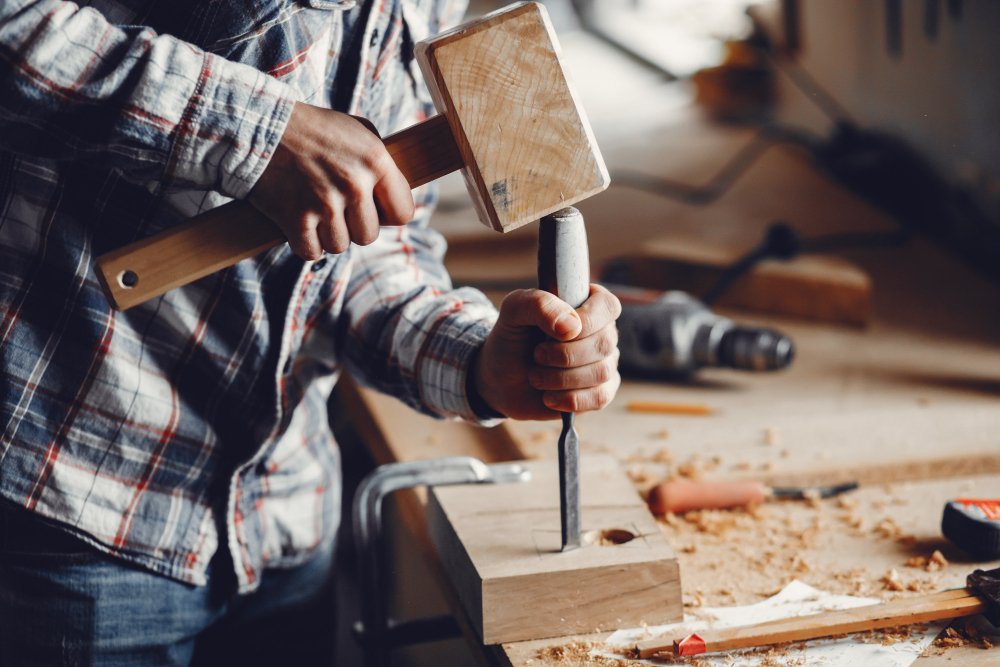
Then I imagine standing in my workshop; the hum of the vacuum, sawdust in the air, the resistance of the wood under my hands. You cut, you sand, you oil, and there it is! A thing that exists, a thing that wasn’t there before you started.
It’s the most honest feedback loop there is: mind > hand > world.
When digital life frays the loop
In knowledge work, that loop is broken, effort disappears into the cloud.
The nervous system doesn’t understand spreadsheets or OKRs; it understands form and friction. That’s why after a long day of “mental work,” we often feel strangely hollow. It’s not just exhaustion, it’s the ache of futility.
We were built to work with our hands, to make stuff, to dig up dirt, to chase mammoths and tigers and chicken in our back yards. To leave a mark, to turn imagination into matter. When that energy has nowhere to go, it implodes into anxiety.
The cure: making something real
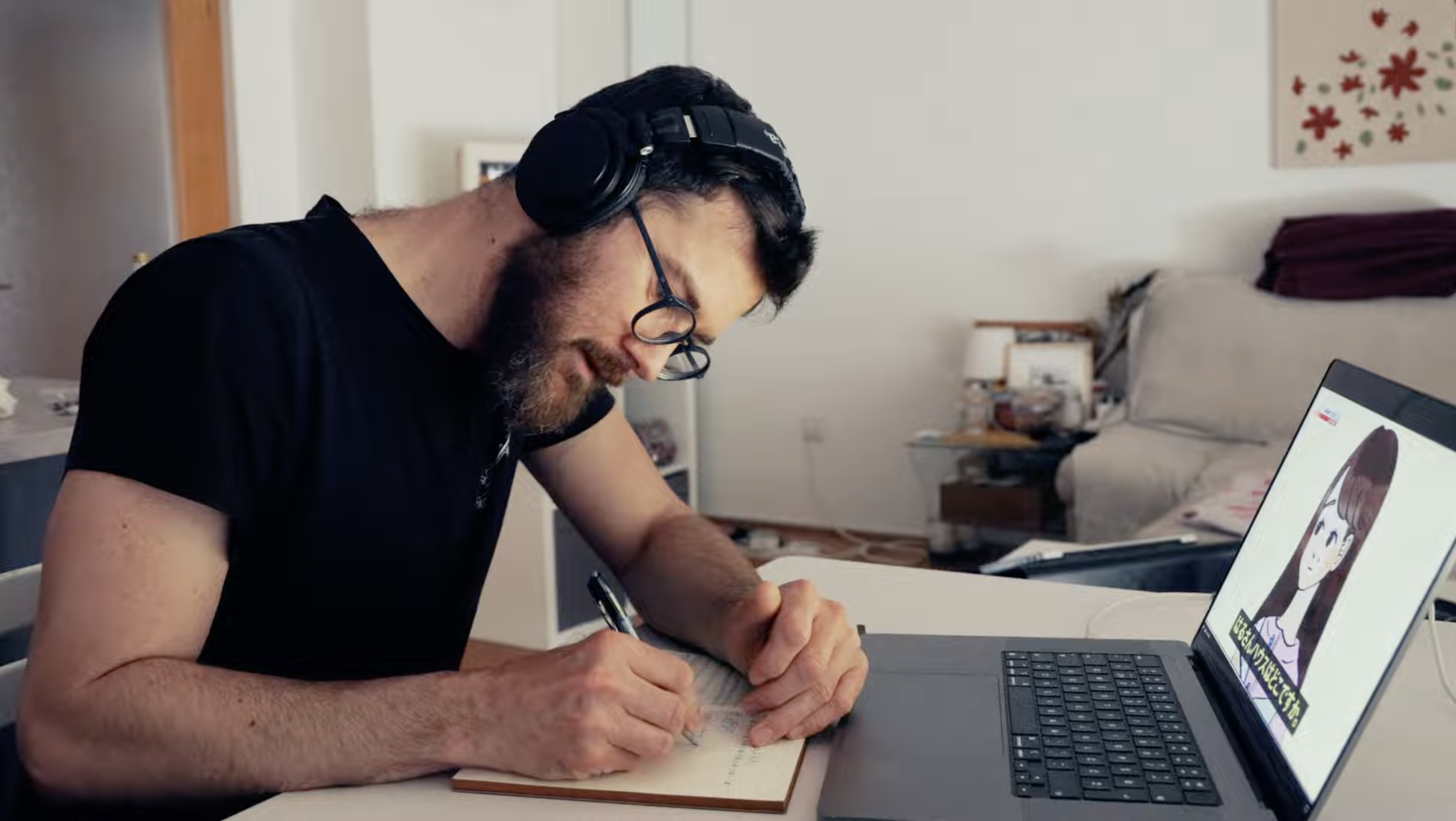
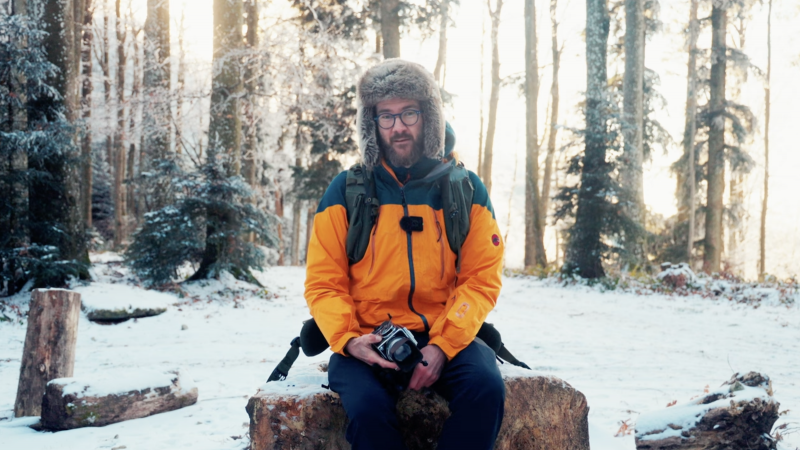
For me, currently, it’s making videos. Even though they only live on a screen, they still feel tangible. The camera, the microphone, the light, the editing timeline, it’s all digital, but it’s embodied. There are buttons to press, decisions to make, I can see with my eyes, hear with my ears and touch with my fingers.
I can sense the rhythm, the texture, the shape of the story.
It’s the same with woodworking. Or writing. Or cooking. Or photography.
Anything where thought and touch meet.
Yes, this exists because I was here.
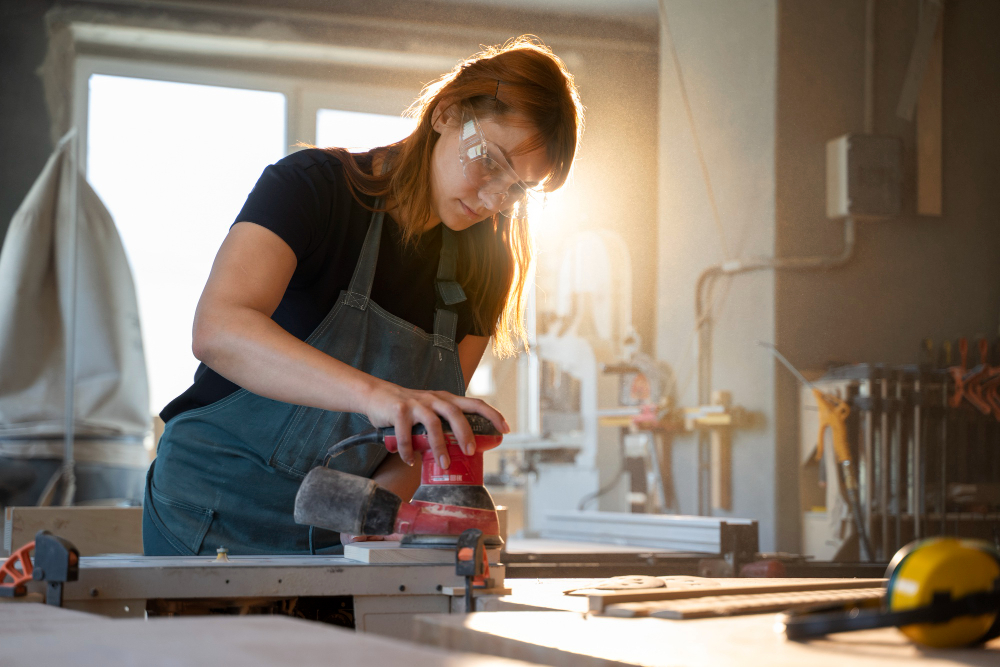
And maybe that’s what Rehwaldt was pointing to when she said standing at a circular saw can be meditative. It’s not about the saw, it’s about the silence of purpose that returns when we close that loop, when we do something the body understands, something the world can feel.
A quiet agreement
When my friend Vlado sent me that article, it reminded me why I value our conversations. He builds art, I build stories. Different tools, but same hunger I suppose. We both crave the quiet proof of our work: something you can see, hold, and say, yes, this exists because I was here.
Maybe that’s the new luxury in the world of screens and abstractions:
not money, not success, but tangibility as well as presence, the feeling that our hands and minds still speak the same language.
Inspired by an interview with Ricarda Rehwaldt in Monocle magazine.